There’s no bad time to visit Zion National Park – but there are better times depending on what you’re after. Crowds, temperatures, trail conditions, and permit availability vary significantly month to month. Here’s the honest breakdown so you can pick the right window for your trip.
Quick Summary
| Month | Crowds | Temps | Conditions | Verdict |
|---|---|---|---|---|
| January | Low | Cold (20-55°F) | Possible ice/snow | Solitude seekers |
| February | Low | Cold (25-60°F) | Improving | Hidden gem month |
| March | Medium | Mild (35-65°F) | Good | ⭐ Excellent |
| April | High | Warm (45-75°F) | Great | ⭐ Peak season starts |
| May | Very High | Warm (55-85°F) | Great | Crowded but beautiful |
| June | Very High | Hot (65-100°F) | Dry, hot | Early starts only |
| July | High | Very Hot (75-105°F) | Monsoon possible | Early morning hikes |
| August | High | Very Hot (72-102°F) | Flash flood risk | Caution required |
| September | Medium-High | Warm (60-90°F) | Excellent | ⭐ Sweet spot |
| October | Medium | Mild (45-75°F) | Fall color | ⭐ Best month |
| November | Low-Medium | Cool (30-60°F) | Good | Underrated |
| December | Low | Cold (20-52°F) | Possible ice | Quiet and dramatic |
Spring (March-May): Beautiful but Busy
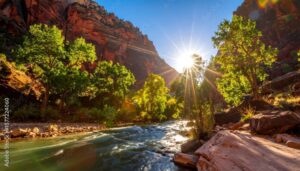
Spring is when Zion wakes up. Wildflowers bloom along the canyon floor, the Virgin River runs full from snowmelt, and temperatures are ideal for hiking. March is the sweet spot – crowds haven’t peaked yet and the landscape is green and dramatic after winter.
By April, the park is firmly in peak season. Expect full parking lots, shuttle lines, and competition for trailhead permits. The crowds are manageable if you’re on the trail before 8am.
Best for: First-time visitors who want the full Zion experience without extreme heat.
Watch out for: High Narrows water levels in early spring – check conditions before wading in.
Summer (June-August): Hot, Crowded, Still Worth It
Summer gets a bad reputation in Zion – and for good reason. Midday temperatures regularly hit 100°F+ in the canyon, and the park is at its absolute busiest. But serious hikers don’t avoid summer – they adjust.
The strategy: be on the trail by 6-7am. At that hour, the canyon walls are still in shade, temperatures are 20-30 degrees cooler, and you’ll have trails that feel almost empty compared to the midday rush. The Narrows is also at its best in summer – warm enough to wade comfortably, low enough water levels for easy passage.
July and August bring monsoon season. Afternoon thunderstorms are common, and The Narrows closes frequently due to flash flood risk upstream. Check conditions at the visitor center every morning before heading out.
Best for: Early risers, Narrows hikers, international visitors.
Watch out for: Flash floods, heat exhaustion, midday trail closures.
Whatever time of year you visit, you need a solid basecamp. Zion’s Tiny Getaway is 30-minutes from the south entrance – close enough to be on the trail before sunrise, far enough to escape the Springdale crowds. Check availability →
Fall (September-October): The Best Time to Visit Zion
October is the best month to visit Zion National Park. Full stop. Crowds thin out after Labor Day, temperatures drop to ideal hiking range, and the cottonwood trees lining the canyon floor turn brilliant gold and orange. The light is warmer, softer, and more photogenic than any other season.
September is still warm – sometimes hot – but the brutal summer heat is breaking. October hits the sweet spot: 45-75°F, low humidity, and the park operating at full capacity without the peak-season mayhem.
Best for: Photographers, experienced hikers, anyone who’s been before and wants the best possible conditions.
Watch out for: Shoulder season means some shuttle schedules may reduce. Check the NPS website for current shuttle operations.
Winter (November-February): Zion Without the Crowds
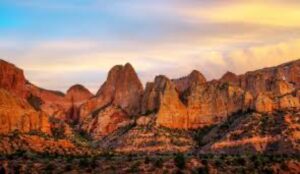
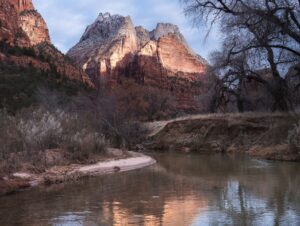
Winter in Zion is the park’s best-kept secret. Visitor numbers drop dramatically, most trails are open, and the canyon takes on a completely different character – red walls dusted with snow, ice formations in slot canyons, and solitude on trails that are shoulder-to-shoulder in April.
The Narrows is at its most spectacular in winter – ice coats the walls and the light through the slot canyon is otherworldly. Cold water gear (dry pants, neoprene socks) is essential, but outfitters in Springdale have you covered.
January and February are the coldest months, with overnight lows sometimes dipping below 20°F. Daytime highs usually reach the 50s. Snow on the canyon rim is common; snow in the canyon floor is possible but doesn’t usually stick.
Best for: Budget travelers, photographers, repeat visitors, people who hate crowds.
Watch out for: Ice on exposed trails (Angels Landing chains section can be dangerous – bring microspikes). Some facilities operate on reduced winter hours.
📍 Start planning your hikes: Our guide to the best hikes near Zion ranked by difficulty will help you build your itinerary. If Angels Landing is on your radar, read our complete Angels Landing permit guide – apply well before your trip.
The Verdict
If you can only go once: October.
If you want to avoid crowds entirely: January or February.
If you’re on a family spring break: March – go early.
If you’re doing The Narrows: July or August (check conditions daily).
Whenever you go, book your basecamp at Zion’s Tiny Getaway. We’re open year-round, 30-minutes from the park – and we’ll make sure you’re on the right trail at the right time.