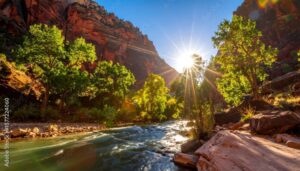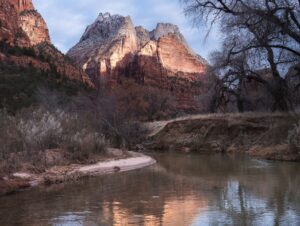
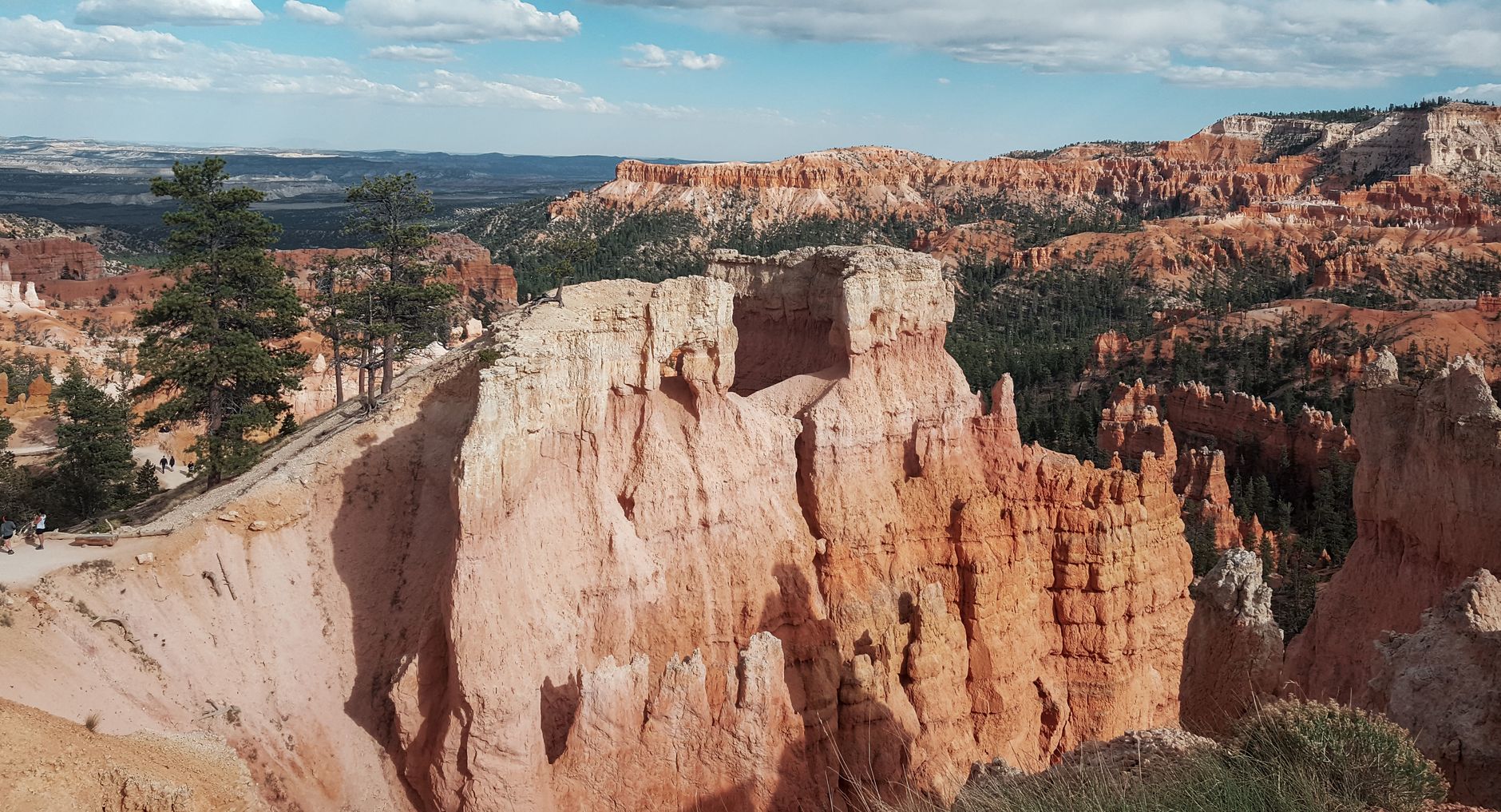
Two national parks, two hours apart, and almost nothing in common. That is what makes a Zion and Bryce Canyon itinerary the best short trip in the Southwest. Zion is a narrow canyon you walk into, with 2,000 foot walls closing overhead and a river running through the middle of it. Bryce is an amphitheater of orange hoodoos you look down on from 8,000 feet. Doing both in one trip gives you range that a single park cannot, and you can cover it properly in five days without ever changing lodging.
How Many Days Do You Need for Zion and Bryce?
Five days is the sweet spot. Three at Zion, one full day at Bryce, and one flexible day for whatever the weather or a permit lottery hands you.
A practical breakdown:
- Zion National Park: 2 full days minimum, 3 if you want to add Angels Landing (permit required via recreation.gov) or Kolob Canyons
- Bryce Canyon National Park: 1 full day covers the amphitheater properly, 2 if you want the full scenic drive to Rainbow Point
- Buffer: 1 day. Southern Utah weather and permit lotteries both reward flexibility
Most travelers fly into Las Vegas, which puts Zion about 2.5 hours to the northeast, making it the natural first stop. The critical planning decision is whether you move lodging between the parks. You do not need to. Bryce works well as a long day trip, which means you unpack once.
Your Zion and Bryce Canyon Itinerary, Day by Day
Days 1 and 2: Zion National Park
Arrive in Apple Valley, check in, and give yourself the first afternoon to settle before diving into the park. On your first full day, head into Zion early. The entrance fee is $35 per vehicle for a 7-day pass. From spring through fall, private vehicles are not permitted on the Zion Canyon Scenic Drive, so you park at the visitor center or in Springdale and ride the free shuttle into the canyon.
Start with the Riverside Walk, a flat 2-mile round trip along the Virgin River that ends at the mouth of the Narrows. If water levels are manageable, wade in. No permit is needed for the bottom-up approach. On day two, tackle the Canyon Overlook Trail in the morning, a short but rewarding 1-mile hike with sweeping views over Pine Creek Canyon. If you scored an Angels Landing permit, this is the day for it. No permit? Observation Point via the East Mesa trail delivers arguably better views with far fewer people on the route.
Staying at a tiny home resort near Zion National Park like Zion’s Tiny Getaway puts you just 30 minutes from the south entrance via the Smithsonian Butte Byway, with a private deck, propane fire pit, and full kitchen waiting every time you return from the trail.
Day 3: Kolob Canyons or Zion’s East Side
Day three is where a five-day trip pulls ahead of a weekend. Drive north to Kolob Canyons, accessible from Exit 40 off I-15. Your same Zion admission pass covers entry, and the red finger canyons feel completely different from the main canyon, quieter and surprisingly raw.
The alternative is the east side. Above the Zion Mount Carmel Tunnel, Highway 9 opens into slickrock domes and checkerboard sandstone, and it is open to private vehicles year round. No shuttle, no parking hunt. If the canyon floor felt crowded on days one and two, this is the antidote.
Days 4 and 5: Bryce Canyon
The drive from Apple Valley to Bryce Canyon runs about 2 to 2.5 hours, east on UT-9 through Zion, north on US-89, then east on UT-12. Build in extra time for the Zion Mount Carmel Tunnel, where oversized vehicles need a traffic control escort and even standard cars can wait 15 to 30 minutes in peak season. Stop at Red Canyon on the way in, a free Dixie National Forest area on UT-12 with arches cut through orange rock right over the road. Most people blow past it.
Bryce sits high. The rim runs from about 8,000 to over 9,000 feet, roughly 4,000 feet above Zion Canyon. Expect it to be 15 to 20 degrees cooler on the same day, expect snow and ice on the trails well into spring, and expect the climb out of the amphitheater to feel harder than the mileage suggests.
At Bryce, start with the rim viewpoints. Sunrise Point, Sunset Point, Inspiration Point, and Bryce Point all look into the same amphitheater from different angles, and each is a short walk from parking. Then get below the rim, because walking among the hoodoos is the actual experience. The Navajo Loop and Queen’s Garden combination runs roughly 3 miles with about 600 feet of elevation change. Hike it counterclockwise, descending Wall Street and climbing out through Queen’s Garden on the gentler grade. Wall Street closes seasonally for ice and rockfall, and the Two Bridges side of the Navajo Loop is the alternative.
If you have a second Bryce day, drive the full 18-mile scenic road to Rainbow Point at 9,115 feet. On a single day trip, skip it and spend the time below the rim instead. Note that Bryce charges its own $35 per vehicle fee. Your Zion pass does not cover it, so if you are hitting several parks, the America the Beautiful annual pass is usually the better buy.
Many travelers base the entire trip out of Apple Valley and run Bryce as a long day trip. The drive is straightforward, and coming back each evening to your own private outdoor space beats packing and repacking mid-week.
Where to Stay for a Zion and Bryce Canyon Itinerary
Most travelers do not think much about their basecamp until they are booking in a rush, and that is where a trip loses its energy. Staying in Springdale puts you close to Zion’s entrance, but accommodation there is expensive in peak season, parking is limited, and the close-in feel works against the sense of open space that makes this landscape powerful. Campgrounds book out months in advance. Chain hotels in Hurricane or St. George are affordable but remove you from the landscape entirely.
Zion’s Tiny Getaway sits in Apple Valley, Utah, just 30 minutes from Zion National Park via the Smithsonian Butte Byway. The 40-home boutique resort is a proper tiny home resort near Zion National Park with real amenities: every home includes a private deck, propane fire pit, BBQ grill, full kitchen, private bath, A/C, high-speed WiFi, and locally roasted Utah coffee. Select homes add a private hot tub, a rooftop deck for sunset and stargazing sessions, or a skylight so you can watch the stars from bed. The property also features a community fire pit, outdoor kitchen, picnic area, lawn games, and a playground.
The full kitchen matters more on this particular trip than most. A Bryce day means leaving before 7 a.m. and eating lunch at 8,000 feet, and restaurant hours in this part of Utah do not accommodate either end of that.
Side Trips Worth Adding to Your Itinerary
If your buffer day stays open, these are worth prioritizing:
- Gooseberry Mesa: World-class mountain biking on technical slickrock with panoramic views, just minutes from the resort
- Wire Mesa Trail: A quiet hike near the property with dramatic canyon views and very little foot traffic
- Sand Hollow State Park: Warm reservoir swimming, paddleboarding, and red sand beaches about 20 minutes away
- Quail Creek State Park: Fishing, kayaking, and swimming in a stunning desert reservoir setting
- Zion Canyon Hot Springs: A natural hot spring experience in LaVerkin, ideal for tired legs after a long trail day
- St. George: About 45 minutes from Apple Valley, with great restaurants, Snow Canyon State Park, and a thriving outdoor scene
When to Go and What to Know Before You Leave
The best windows for this trip are March through May and September through November. Spring brings wildflowers and green canyon walls after winter snowmelt. Fall offers cooler temperatures, golden cottonwoods lining the Virgin River, and some of the clearest skies of the year for stargazing.
Summer, June through August, is peak season, with Zion canyon bottoms regularly exceeding 100 degrees Fahrenheit. Bryce is the relief valve here, since 8,000 feet of elevation makes it dramatically more comfortable on the same afternoon. If you go in summer, start hiking before 9 a.m., carry more water than you think you need, and save the high country for the hot part of the day.
Winter is beautiful and uncrowded. Zion stays open year round with occasional snow dusting the canyon walls, and the scenic drive opens to private vehicles when the shuttle is not running. Bryce holds snow and ice on its trails much longer, so bring traction devices if the amphitheater is on your list.
On permits: book early and take it seriously. Angels Landing permits through the recreation.gov lottery fill months out. The same goes for the Narrows top-down route and The Subway. There is also a day-before lottery for Angels Landing, and staying multiple nights lets you enter it repeatedly, which is a real advantage.
Plan Your Zion and Bryce Canyon Itinerary and Book Your Basecamp
A Zion and Bryce Canyon itinerary works because the two parks are close enough to pair and different enough to be worth pairing. Get the basecamp right and you never have to move. Zion’s Tiny Getaway gives you a tiny home resort near Zion National Park with real comfort: 30 minutes from Zion National Park via the Smithsonian Butte Byway, private outdoor space, full kitchens, and a red rock landscape right outside your door from day one. Book direct at zionstinygetaway.com/stay for the best rate. This is the trip worth planning properly.
Frequently Asked Questions
How many days do you need for a Zion and Bryce Canyon itinerary?
Five days is the sweet spot: three at Zion, one full day at Bryce, and one buffer day for weather or a permit lottery. Basing yourself in Apple Valley makes Bryce a comfortable day trip, so you never have to change lodging mid-trip.
How far is Bryce Canyon from Zion National Park?
About 2 to 2.5 hours from the Apple Valley area, running east on UT-9 through Zion, north on US-89, then east on UT-12. Build in extra time for the Zion Mount Carmel Tunnel, which can add 15 to 30 minutes in peak season.
What is the best time of year for a Zion and Bryce trip?
March through May and September through November. Spring brings wildflowers and moderate temperatures, fall offers golden foliage and clear skies. Summer canyon temperatures exceed 100 degrees Fahrenheit, though Bryce sits 4,000 feet higher and stays much cooler.
Do I need permits to hike in Zion National Park?
Angels Landing requires a permit year round through the recreation.gov lottery, as do The Subway and the top-down Narrows route. The bottom-up Narrows from the Riverside Walk needs no permit, and neither do Canyon Overlook, Observation Point via East Mesa, or anything in Kolob Canyons.
Can I drive my own car on the Zion Canyon Scenic Drive?
Not during shuttle season, which runs roughly spring through fall including all of summer. You park at the visitor center or in Springdale and ride the free shuttle to the trailheads. In winter, when the shuttle is not operating, private vehicles are permitted on the scenic drive.
Ready to Book Your Zion Basecamp?
Zion’s Tiny Getaway is 30 minutes from the park via the Smithsonian Butte Byway. Private decks, propane fire pits, full kitchens, and select homes with private hot tubs. Book direct for the best rate.