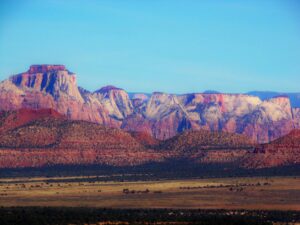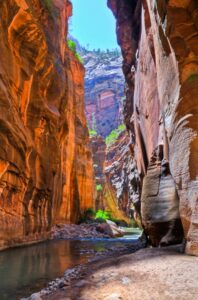
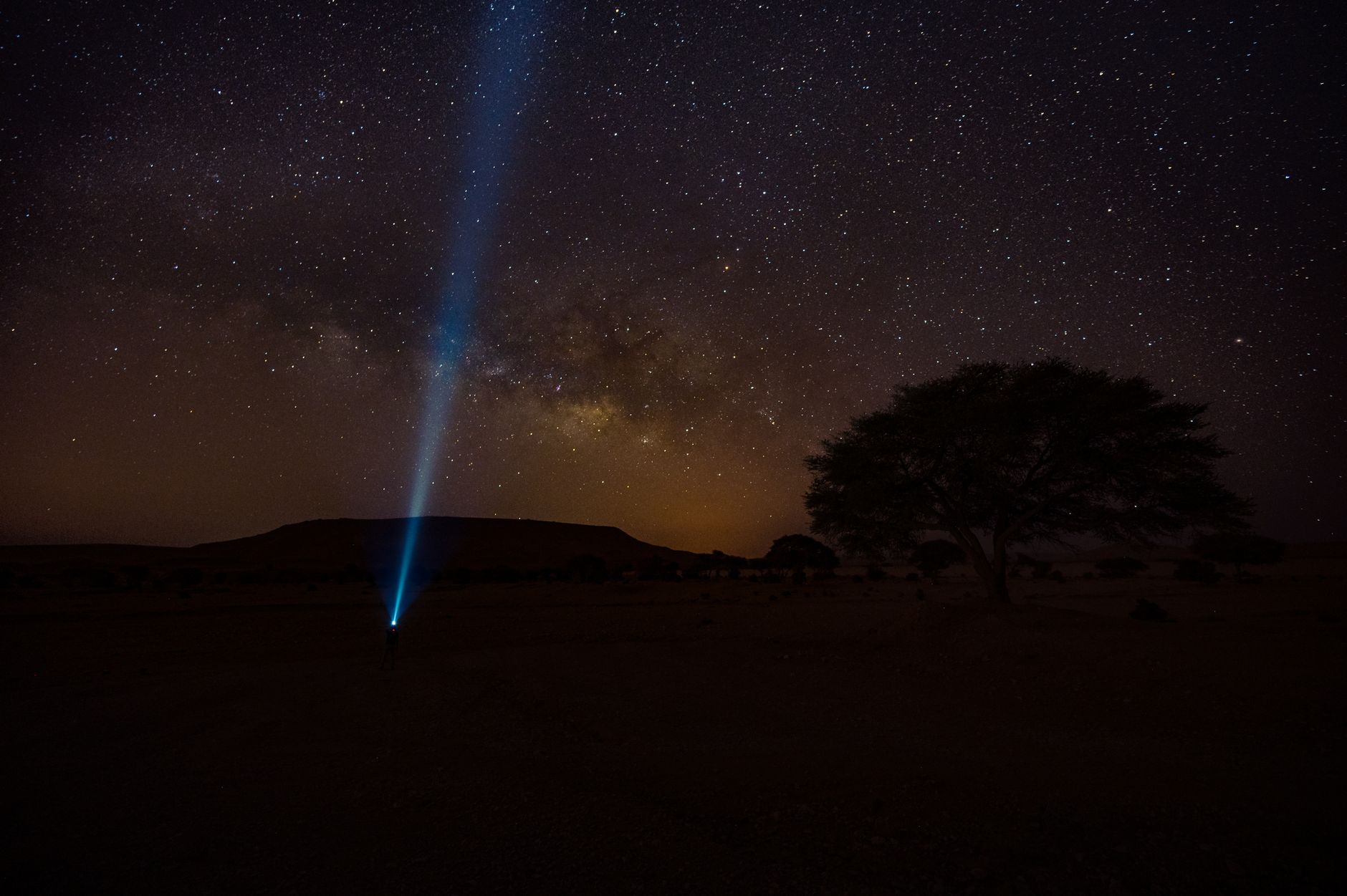
Most visitors look up at Zion’s cliffs all day and forget to look up at night. That is a missed opportunity. Stargazing near Zion National Park is some of the best in the country, with dark desert skies, dry air, and the Milky Way arching right over the red rock. You just need to get away from the gateway-town lights to see it.
That is one of the quiet advantages of staying in Apple Valley. Zion’s Tiny Getaway is 30 minutes from Zion National Park via the Smithsonian Butte Byway, far enough from Springdale’s glow that the stars actually come out. Several of our homes have rooftop decks and skylights built specifically for nights like this. Here is how to make the most of stargazing near Zion National Park.
Why Southern Utah Has Incredible Night Skies
Southern Utah is a global hotspot for dark skies, and for good reason. The region combines high elevation, very dry air, low humidity, and large stretches of land with almost no light pollution. Zion and the parks around it sit in one of the darkest corridors in the lower 48. On a clear, moonless night you can see thousands of stars, the band of the Milky Way, and meteors with the naked eye.
The catch is light. The closer you stay to a busy gateway town, the more the glow washes out the faint stuff. Apple Valley is rural and quiet, which is exactly what you want when the sun goes down.
The Best Stargazing Spots Near Zion
You have options depending on how far you want to travel and how dark you want it.
Right at your basecamp. The easiest dark sky is the one outside your door. From a private deck or rooftop deck in Apple Valley you can stargaze with a drink in hand and no driving required. For a lot of guests, this ends up being the highlight.
Inside Zion National Park. The park itself offers dramatic stargazing, with canyon walls framing the sky. The tradeoff is that you are driving in and back in the dark, and the canyon limits how much sky you actually see.
Open desert and BLM land. The wide-open areas around Apple Valley, Hildale, and toward Water Canyon give you a huge, unobstructed horizon. Pull off safely, kill the lights, and let your eyes adjust.
Nearby dark sky parks. Southern Utah is loaded with certified dark sky areas if you want to make a dedicated trip of it, including spots a short drive away that run ranger astronomy programs in season.
Stay Where the Stars Are: Rooftop Decks and Skylights
Here is what sets the basecamp apart for stargazing near Zion National Park: the homes are designed for it.
- Rooftop decks in select homes put you above it all for a 360-degree view of the night sky, perfect for sunset into stars
- Skylights in select homes let you fall asleep under the stars from inside the bed
- Private decks and propane fire pits let you stay warm and comfortable while you watch
- Select homes with private hot tubs turn stargazing into the best soak of the trip
There is no resort pool and no bright shared common area washing out the sky. This is a quiet, design-forward tiny home resort near Zion National Park where the night is part of the experience, not an afterthought. If stargazing is a priority, ask about rooftop deck and skylight homes when you book.
When to Go for the Best Night Skies
Timing matters as much as location.
Chase the new moon. A full moon is beautiful but it washes out the faint stars and the Milky Way. The week around a new moon is the darkest and best for deep-sky viewing. Check a moon-phase calendar before you book if stars are the goal.
Milky Way season. The bright core of the Milky Way is most visible from roughly spring through early fall, rising in the southeast after dark. Summer nights are prime for the galactic core.
Let your eyes adjust. Give yourself 20 to 30 minutes away from screens and bright light. Use a red flashlight instead of white light to keep your night vision.
Watch the weather. Clear, dry nights are best. Southern Utah delivers plenty of them, but a quick forecast check pays off.
A Simple Stargazing Night at the Basecamp
You do not need fancy gear. Here is an easy plan:
- Grill dinner and watch the sunset from your private deck or rooftop deck
- Light the fire pit and let the sky darken
- Around full dark, head up to the rooftop deck or settle into the hot tub
- Use a free star-map app to find planets, constellations, and the Milky Way
- If there is a meteor shower on the calendar, stay up for it
That is a full evening of stargazing near Zion National Park without leaving home. Pair it with a morning in the park and you have the best of both, the cliffs by day and the stars by night.
Quick Tips for Stargazing Near Zion
- Go on a new-moon week for the darkest skies
- Book a rooftop deck or skylight home at the basecamp
- Bring layers – desert nights get cool even after hot days
- Use red light to protect your night vision
- Download a star-map app before you lose signal
- Be patient – the longer you watch, the more you see
Plan Your Stargazing Trip Near Zion
Stargazing near Zion National Park turns a good trip into an unforgettable one. The dark desert skies of Apple Valley, paired with homes built for the view, mean you can watch the Milky Way rise from a rooftop deck or a private hot tub instead of squinting past city lights. Book a stargazing home at Zion’s Tiny Getaway and make the night sky part of your Zion adventure.
Frequently Asked Questions
Is stargazing good near Zion National Park?
Yes. Southern Utah has high elevation, dry air, and very low light pollution, making it one of the best regions in the country for stargazing. Staying in rural Apple Valley, away from gateway-town lights, gives you dark skies and clear views of the Milky Way.
Where is the best place to stargaze near Zion?
The darkest, easiest skies are away from town. Apple Valley offers excellent stargazing right from your lodging, and Zion’s Tiny Getaway has homes with rooftop decks and skylights built for it. Open BLM land and nearby certified dark sky parks are also great options.
When is the best time to stargaze near Zion?
Plan around the new moon for the darkest skies, since a full moon washes out faint stars. The Milky Way core is most visible from spring through early fall, with summer being prime. Choose a clear, dry night and let your eyes adjust for 20 to 30 minutes.
Can you see the Milky Way from Zion’s Tiny Getaway?
On clear, dark nights around the new moon, yes. Apple Valley’s low light pollution makes the Milky Way visible to the naked eye, and select homes have rooftop decks and skylights designed for viewing it.
Do I need special equipment to stargaze near Zion?
No. The naked eye reveals thousands of stars, the Milky Way, and meteors on a dark night. A free star-map app and a red flashlight help, and binoculars or a telescope add detail, but they are optional.
Ready to Book Your Zion Basecamp?
Zion’s Tiny Getaway is 30 minutes from the park via the Smithsonian Butte Byway. Private decks, propane fire pits, full kitchens, and select homes with private hot tubs. Book direct for the best rate.