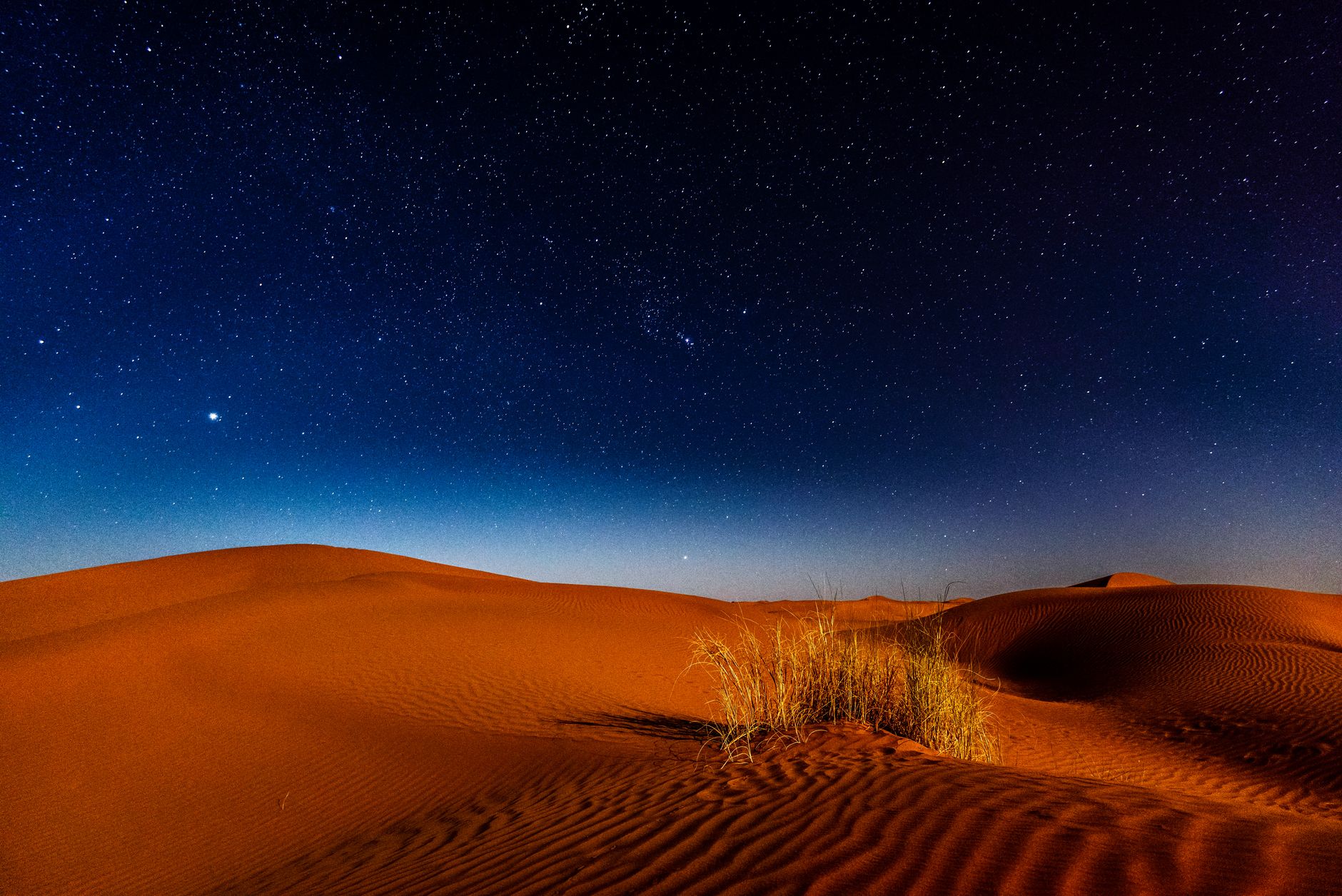
There’s something about lying flat on a deck at 7,100 feet, no city glow for miles, watching the Milky Way spill across the sky, that never gets old. If you’re chasing dark skies, stargazing near Zion National Park is one of the best reasons to plan a trip to southern Utah. Between the park’s own certified dark sky status and a handful of nearby overlooks with almost zero light pollution, this corner of the state was built for night sky watching, and Apple Valley sits right in the middle of it.
Why Stargazing Near Zion National Park Is Some of the Best in the Country
Zion National Park is an International Dark Sky Park, and the designation isn’t just a label. The region’s high elevation, dry air, and distance from major metro areas combine to create some of the darkest skies left in the lower 48. On a clear, moonless night you can see the Milky Way’s core with the naked eye, pick out satellites gliding overhead, and if you time it right, catch a meteor shower without any special gear.Apple Valley, where Zion’s Tiny Getaway sits, is far enough outside Springdale’s lights to feel genuinely remote, but close enough that stargazing here fits easily into a longer park itinerary. That’s the appeal of basing yourself at a tiny home resort near Zion National Park instead of a hotel in town: you get real darkness right outside your door instead of having to drive somewhere after a full day of hiking.
Best Dark Sky Spots Near Zion National Park
You don’t have to go far to find excellent stargazing conditions around Zion. Here are the standout spots worth building your evening around.
Kolob Canyons
The northwest section of Zion, accessed off I-15 at Exit 40, is quieter than the main canyon and sits on the same admission pass. Fewer visitors means fewer headlights and less foot traffic after dark, making it one of the better spots inside the park boundary for uninterrupted sky views.
Zion Canyon Overlook
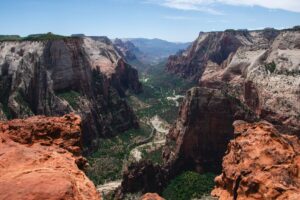
The Canyon Overlook trail near the east entrance is short, but the payoff after sunset is a wide, unobstructed view over the canyon. Bring a headlamp with a red light setting for the walk back so you don’t wreck your night vision or anyone else’s.
Sand Hollow State Park and Quail Creek State Park
Both are a short drive from Apple Valley and open later than the national park’s day-use areas in some seasons. Sand Hollow’s open desert terrain and Quail Creek’s reservoir setting both offer wide horizon views, which matters more than most people expect when you’re trying to catch constellations low in the sky.
Right From Your Deck at Zion’s Tiny Getaway
Honestly, some of the best stargazing near Zion National Park doesn’t require driving anywhere. Every one of our 40 boutique tiny homes has a private deck and propane fire pit, and several homes go a step further with a rooftop deck built for sunset and star viewing or a skylight positioned so you can watch the stars from bed. After a day in the canyon, that’s hard to beat.
Planning Your Stargazing Trip to Southern Utah
Timing matters as much as location. A few things to keep in mind:
- Check the moon phase before you go. A new moon or thin crescent gives you the darkest, most star-dense skies.
- March through May and September through November bring the clearest, most comfortable night skies, without the summer heat or winter cold snaps.
- Give your eyes 20 to 30 minutes to fully adjust to the dark before you expect to see the Milky Way clearly.
- Skip the phone flashlight. A red-light headlamp preserves night vision for you and everyone else out there.
- Layer up. Desert nights cool off fast, even after a hot day.
Make It More Than a Night Sky: Building a Full Zion Adventure
Stargazing pairs naturally with a day spent exploring the park and the surrounding terrain, which is exactly why we built Zion’s Tiny Getaway as an adventure basecamp rather than just a place to sleep. Spend the day on the trails, world-class mountain biking at Gooseberry Mesa, or soaking at Zion Canyon Hot Springs in LaVerkin, then come back to camp for golden hour and let the stars take over from there.
The property itself is set up for that rhythm. Beyond the private decks and fire pits, you’ve got a community fire pit, outdoor kitchen, picnic area, lawn games, and a playground for the kids, plus a full kitchen, private bath, high-speed WiFi, A/C, and locally roasted Utah coffee in every home. Select homes add a private hot tub, which is its own kind of stargazing setup once the sun goes down. And staying at a tiny home resort near Zion National Park means you’re just 30 minutes from Zion National Park via the Smithsonian Butte Byway, so you’re never sacrificing daytime adventure for nighttime views.
Getting to Zion National Park From Apple Valley
The drive from Zion’s Tiny Getaway to the park’s south entrance takes about 30 minutes via the Smithsonian Butte Byway, a scenic route in its own right. Remember that the entrance fee is $35 per vehicle for a 7-day pass, and from spring through fall, private vehicles are restricted on Zion Canyon Scenic Drive in favor of the free shuttle. If you’re planning big hikes like Angels Landing or The Subway, those require permits through the recreation.gov lottery, so plan ahead. Trails like the Pa’rus Trail and Riverside Walk are easier, no-permit options if you’d rather save your energy for stargazing later that night.
Book Your Stargazing Basecamp
If dark skies and a full day of Zion adventure sound like your kind of trip, book direct for the best rate at zionstinygetaway.com/stay/. As a tiny home resort near Zion National Park built around both the daytime trails and the nighttime skies, it’s the basecamp that lets you do both without compromise. Reserve your tiny home, pick one with a rooftop deck or skylight if star views from bed sound like your thing, and get ready for some of the best stargazing near Zion National Park you’ll find anywhere in the Southwest.
Frequently Asked Questions
What is the best time of year for stargazing near Zion National Park?
March through May and September through November offer the clearest skies and most comfortable temperatures for stargazing. Summer nights are warm but can bring monsoon clouds, while winter offers crisp, dark skies if you’re prepared for the cold.
Is Zion National Park an official Dark Sky Park?
Yes, Zion National Park holds International Dark Sky Park status thanks to its minimal light pollution and high elevation. This makes it one of the premier stargazing destinations in the country, with the Milky Way visible to the naked eye on clear nights.
Do I need any special equipment to see the Milky Way near Zion?
No special equipment is required. Your naked eyes are enough on a clear, moonless night, though a red-light headlamp helps preserve night vision and binoculars can enhance the view of star clusters and planets.
Where is the best place to stay for stargazing near Zion National Park?
Zion’s Tiny Getaway in Apple Valley is an ideal basecamp, just 30 minutes from Zion National Park via the Smithsonian Butte Byway. Several of the 40 boutique tiny homes feature rooftop decks or skylights designed specifically for stargazing without leaving your deck or bed.
What moon phase is best for stargazing near Zion?
A new moon or thin crescent moon gives you the darkest skies and the best view of the Milky Way. Check a moon phase calendar before booking your trip and plan your stargazing nights around it.
Ready to Book Your Zion Basecamp?
Zion’s Tiny Getaway is 30 minutes from the park via the Smithsonian Butte Byway. Private decks, propane fire pits, full kitchens, and select homes with private hot tubs. Book direct for the best rate.