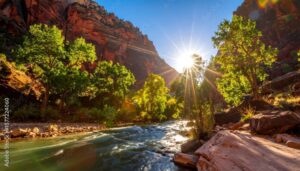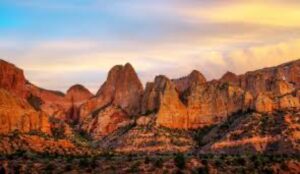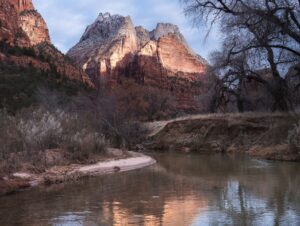
If there is one hike that lands on every Zion bucket list, it is hiking The Narrows in Zion, the famous slot canyon where the trail is the Virgin River itself. There is no dirt path here. You walk in the water, between sandstone walls that rise a thousand feet overhead and squeeze down to twenty or thirty feet apart. For first-timers the whole thing sounds intimidating: Do I need a permit? Will I be swimming? What shoes do I wear? The good news is that the bottom-up route is one of the most accessible bucket-list hikes in America, and with a little planning it is absolutely doable for most reasonably fit hikers. Here is everything you need to know before you step into the river, plus how to set up the perfect basecamp at our tiny home resort near Zion National Park, 30 minutes from Zion National Park via the Smithsonian Butte Byway.
What Is the Bottom-Up Route in The Narrows?
There are two ways to hike The Narrows. The top-down route is a 16-mile, one or two day trek from Chamberlain’s Ranch that requires a wilderness permit. The bottom-up route is the one almost everyone does: you start at the Temple of Sinawava, the last stop on the Zion Canyon shuttle, walk the paved Riverside Walk for about a mile, then step into the river and head upstream as far as you like before turning around and retracing your steps.
The beauty of bottom-up is total flexibility. No permit is required, and you set your own turnaround point. Hike in for an hour and you still get the postcard views. Push all the way to Big Spring, the farthest point allowed without a permit, and you are looking at roughly 9 to 10 miles round trip in the water, a genuinely full day.
Most first-timers aim for Wall Street, the section beyond the Orderville Canyon junction where the canyon narrows dramatically and the walls go nearly vertical. Reaching Wall Street and coming back is about 5 to 6 miles round trip and takes most hikers 4 to 6 hours. It is the highlight-reel stretch, and if you only have the energy for one destination, make it this one.
Do You Need a Permit for Hiking The Narrows in Zion?
Not for the bottom-up route. This is one of the most common questions people ask when planning a trip, so let’s be clear: hiking The Narrows in Zion from the bottom up requires no permit, no lottery, and no reservation. You just need your park entrance pass, which is $35 per vehicle and good for seven days.
The permit requirement only applies to the top-down through-hike from Chamberlain’s Ranch and to overnight trips in the canyon. If you are doing the classic day hike from the Temple of Sinawava, show up, ride the shuttle, and go. That said, “no permit” does not mean “no rules.” The park closes The Narrows entirely when the Virgin River is flowing too high or when flash flood danger is elevated, so always check current conditions at the visitor center or on the park website the morning of your hike.
What to Wear and What Gear You Actually Need
This is where first-timers most often get it wrong. You will spend 60 to 80 percent of the hike in the river, on slick, bowling-ball-sized rocks you cannot always see. Your regular trail runners will work in a pinch during warm months, but the right gear transforms the day.
- Canyoneering shoes and neoprene socks: Several outfitters in Springdale rent sticky-soled canyon boots with neoprene socks. Your feet stay warmer, you grip the rocks better, and you will move faster with more confidence. This is the single best money you can spend on this hike.
- A wooden walking staff or trekking poles: A third point of contact is not optional in moving water. Rentals usually include a staff; if you bring your own poles, use them.
- Dry bag: Phones, snacks, and extra layers go in a dry bag or at minimum a heavy zip-top bag inside your pack. Assume you will stumble at least once.
- Layers for cold water: The Virgin River is snowmelt-fed and cold even in summer. In spring and fall, rent dry pants or a dry suit from a Springdale outfitter. In winter, a full dry suit is essential.
- Water and food: Bring more than you think you need. There is no water source you should drink from untreated, and the hike takes longer than the mileage suggests.
Depth varies with flow, but expect mostly shin-to-knee-deep wading with occasional pools that reach your waist. At normal summer levels, adults rarely need to swim on the way to Wall Street, but you should be prepared to get wet to the chest in a few spots.
Flash Floods: The Rule You Never Break
The Narrows is a slot canyon, and slot canyons flood. A storm miles away, one you cannot even see, can send a wall of water down the canyon with little warning. This is not a scare tactic; it is the one genuinely serious hazard on this hike, and it is entirely manageable if you respect it.
- Check the flash flood forecast at the visitor center or on the NPS site the morning of your hike. If flood potential is rated probable or expected, do not enter the canyon. Full stop.
- Watch the sky and the water. Sudden debris in the current, rising water, or a change from clear to muddy means get to high ground immediately.
- Know that monsoon season, roughly mid-July through September, brings the highest flood risk. Afternoon storms build fast in southern Utah. During monsoon season, start early and be heading out by early afternoon.
The park also closes The Narrows when the river runs high, which happens most often during spring snowmelt in April and May. If your trip lands in a closure window, this is where staying at a well-located basecamp saves the day. From our tiny home resort near Zion National Park you can pivot to Canyon Overlook, the East Mesa route to Observation Point, or a soak at Zion Canyon Hot Springs in LaVerkin without losing the trip.
When Is the Best Time for Hiking The Narrows?
Every season in The Narrows is a different hike.
- Late June through early July: Warm air, moderate water levels before monsoon season peaks. Busy, but the water feels refreshing rather than punishing.
- September and October: Arguably the sweet spot. Monsoon risk fades, crowds thin, water levels drop, and the cottonwoods start turning gold. This is our favorite window.
- March through May: Beautiful, but snowmelt can push flows high enough to close the canyon. Have a backup plan and rent dry pants if it is open.
- Winter: Hauntingly quiet and stunning, but strictly a dry-suit hike. Only attempt it with full rental gear and experience in cold conditions.
Whatever the season, start early. The first shuttle of the day gets you into the canyon ahead of the crowds, gives you the best light bouncing between the walls, and builds a safety margin against afternoon storms.
Logistics: Getting There and Getting Back
Spring through fall, private vehicles are restricted on the Zion Canyon Scenic Drive, so you will ride the free park shuttle from the visitor center to the Temple of Sinawava at stop 9. Shuttle lines at the visitor center can be long by mid-morning in peak season, which is another argument for an early start.
Here is a first-timer’s day that works: wake up at your tiny home, brew the locally roasted Utah coffee waiting in your full kitchen, and roll out early. The drive from Zion’s Tiny Getaway takes 30 minutes from Zion National Park via the Smithsonian Butte Byway, a gorgeous back route with views of Zion’s west temples the whole way. Park in Springdale or at the visitor center, grab your rental boots, catch the shuttle, and be stepping into the river while the canyon is still quiet. Hike to Wall Street, eat lunch on a gravel bar under thousand-foot walls, and head back out by early afternoon.
Then comes the part most Zion itineraries forget: recovery. Wading a river for five hours works muscles you did not know you had. Back at the resort, that means a hot shower in your private bath, dinner off your own BBQ on a private deck, and a propane fire pit as the stars come out. Book one of our select homes with a private hot tub and your calves will thank you. If you have a rest day built in, Gooseberry Mesa and Wire Mesa offer world-class mountain biking minutes away, and Sand Hollow and Quail Creek state parks are perfect for a low-effort water day.
Why Basecamp Beats Staying in the Crowds
Springdale sits right at the park entrance, and it is charming, but it is also packed, pricey, and loud in peak season. Apple Valley gives you the opposite experience: dark skies, open desert quiet, and room to breathe, while still keeping the park entrance an easy 30 minutes from Zion National Park via the Smithsonian Butte Byway. Our 40 boutique tiny homes each come with a full kitchen, high-speed WiFi, A/C, and that private deck and fire pit setup, so early starts and slow evenings are equally easy. Select homes add rooftop decks for sunset and skylights for stargazing from bed. Between hikes, the community fire pit, outdoor kitchen, lawn games, and playground make it easy for groups and families to land softly. For a Narrows trip specifically, a tiny home resort near Zion National Park is the setup that lets you hike hard and rest well.
Ready to Walk the River?
Hiking The Narrows in Zion is the rare bucket-list adventure that lives up to the hype: no permit required, no technical skills needed, just good gear, an early start, and healthy respect for the weather. Rent the boots, check the flood forecast, aim for Wall Street, and give yourself a basecamp worth coming home to. Zion’s Tiny Getaway puts you 30 minutes from Zion National Park via the Smithsonian Butte Byway with a hot shower, a fire pit, and a real bed waiting at the end of the day. Book direct at zionstinygetaway.com for the best rate, and start planning the hike you will be talking about for years.
Frequently Asked Questions
Do you need a permit to hike The Narrows bottom-up?
No. The bottom-up route from the Temple of Sinawava requires no permit or reservation, just the $35 per vehicle Zion entrance pass. Only the top-down through-hike from Chamberlain’s Ranch and overnight trips require a wilderness permit.
How long does it take to hike The Narrows?
It depends on your turnaround point. Most first-timers hike to Wall Street and back, about 5 to 6 miles round trip, which takes 4 to 6 hours in the water. Going all the way to Big Spring is roughly 9 to 10 miles round trip and a full day.
What shoes should I wear in The Narrows?
Rent canyoneering boots and neoprene socks from a Springdale outfitter. They grip the slick river rocks far better than trail runners and keep your feet warmer in the cold, snowmelt-fed Virgin River. A walking staff or trekking poles are just as important as the shoes.
Where should I stay when hiking The Narrows?
Zion’s Tiny Getaway in Apple Valley is a 40-home boutique tiny home resort that works perfectly as a Narrows basecamp, 30 minutes from Zion National Park via the Smithsonian Butte Byway. Every home has a full kitchen for early starts, plus a private deck, fire pit, and private bath for recovery, and select homes include private hot tubs.
What time should I start hiking The Narrows?
Catch one of the first shuttles of the morning to the Temple of Sinawava. An early start means fewer crowds, better light in the canyon, and a critical safety buffer against afternoon thunderstorms, especially during the mid-July through September monsoon season.
Ready to Book Your Zion Basecamp?
Zion’s Tiny Getaway is 30 minutes from the park via the Smithsonian Butte Byway. Private decks, propane fire pits, full kitchens, and select homes with private hot tubs. Book direct for the best rate.